

The best dumbbell exercises for beginners help build strength, improve balance, and support full-body fitness at home. Dumbbells are simple and effective tools for starting strength training safely.
Many experts, including the American Council on Exercise, recommend dumbbells for beginners because they are easy to control and versatile.
This guide explains simple exercises with clear steps. You will learn how to train your body safely and effectively at home.
Why Dumbbell Exercises Are Ideal for Beginners
Dumbbell exercises are ideal because they are simple, effective, and safe for new users. They help build strength without complex machines.
Easy to Learn and Control
These exercises follow natural movements like lifting and pushing. Beginners can learn them quickly and safely. They also improve coordination and reduce injury risk.
Effective for Full-Body Strength
Dumbbells work multiple muscles at the same time. Exercises like squats and rows train the whole body. This improves balance, strength, and daily movement.
Perfect for Home Workouts
Dumbbells require little space and are affordable. You can train your entire body at home. The World Health Organization recommends regular strength training for overall health.
What Beginners Should Know Before Starting
Beginners should focus on weight selection, form, and recovery before starting workouts. These steps prevent injury and improve results.
Choose the Right Weight
Start with light weights between 2 to 5 kg. This helps you learn proper form. Increase weight gradually as your strength improves.
Focus on Proper Form
Good form improves results and reduces injury. Keep movements slow and controlled. Avoid rushing or using momentum.
Warm Up and Rest
Warm-ups prepare your muscles for exercise. Simple movements increase blood flow. Rest days allow muscles to recover and grow stronger.
10 Best Dumbbell Exercises for Beginners
These exercises target all major muscle groups and are easy to perform at home. Follow proper form for the best results.
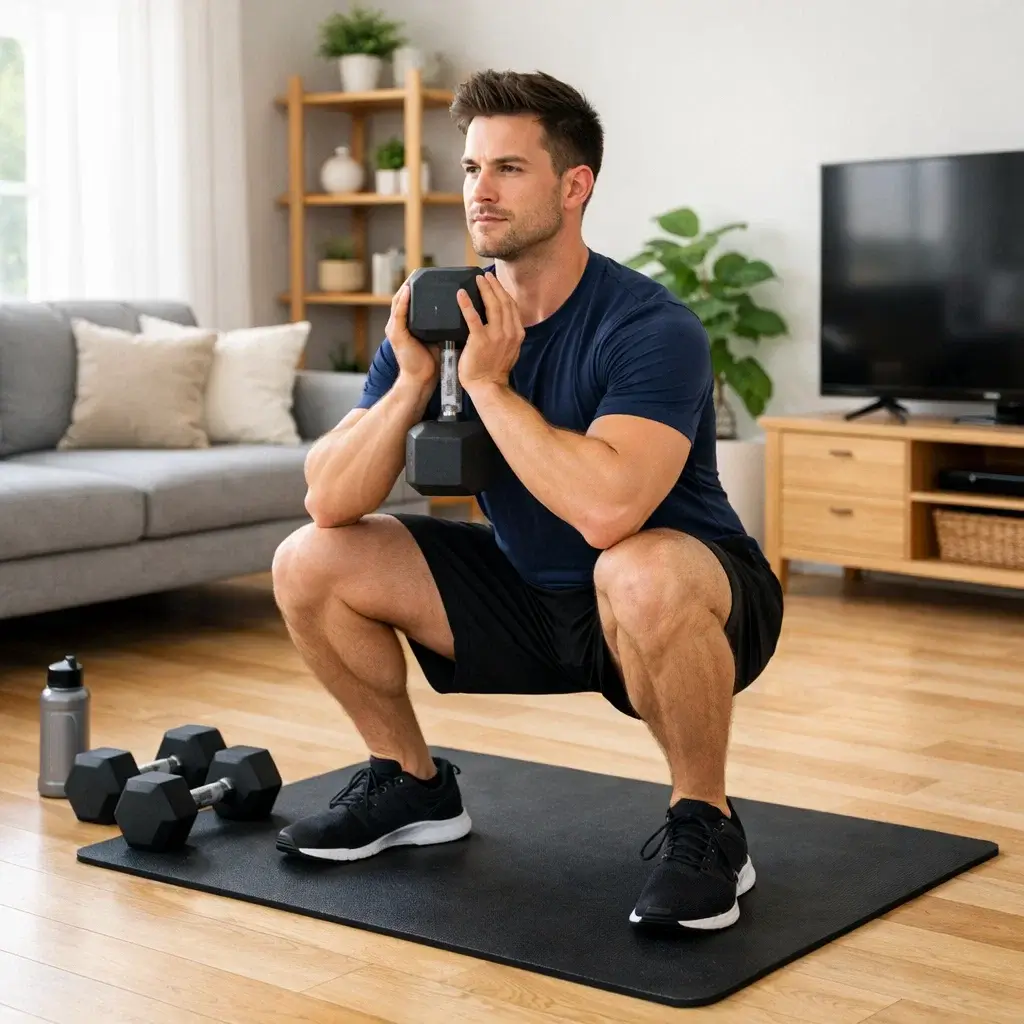
1. Dumbbell Goblet Squat
This exercise strengthens the legs, glutes, and core while improving balance. Hold one dumbbell close to your chest and lower your body into a squat position.
Keep your back straight and your chest up during the movement. Your knees should stay aligned with your toes to avoid strain. This exercise also improves posture and lower body control.
2. Dumbbell Deadlift
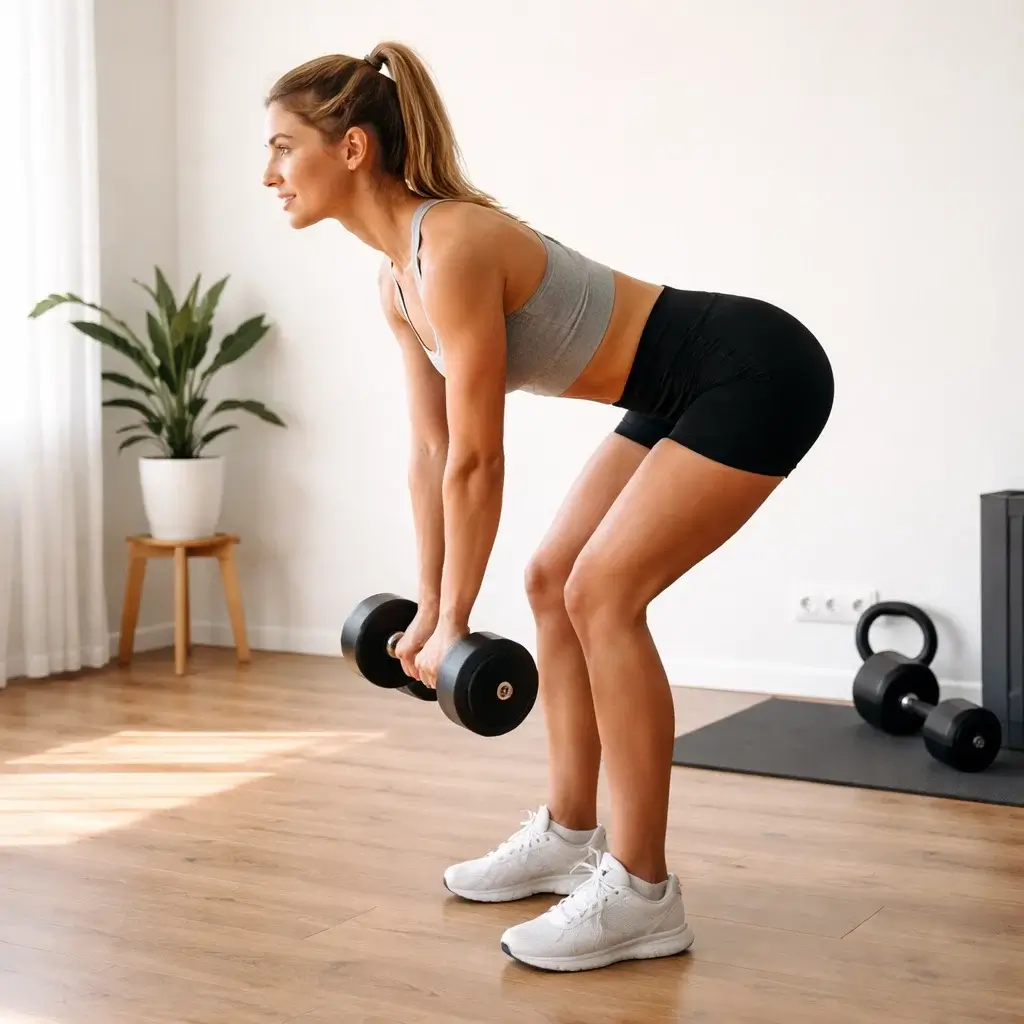
This exercise builds strength in the hamstrings, glutes, and lower back. Hold dumbbells in front of your thighs and slowly bend at your hips to lower them.
Keep your spine straight and avoid rounding your back. Focus on pushing your hips backward instead of bending your knees too much. This helps improve lifting technique and protects your back.
3. Dumbbell Shoulder Press
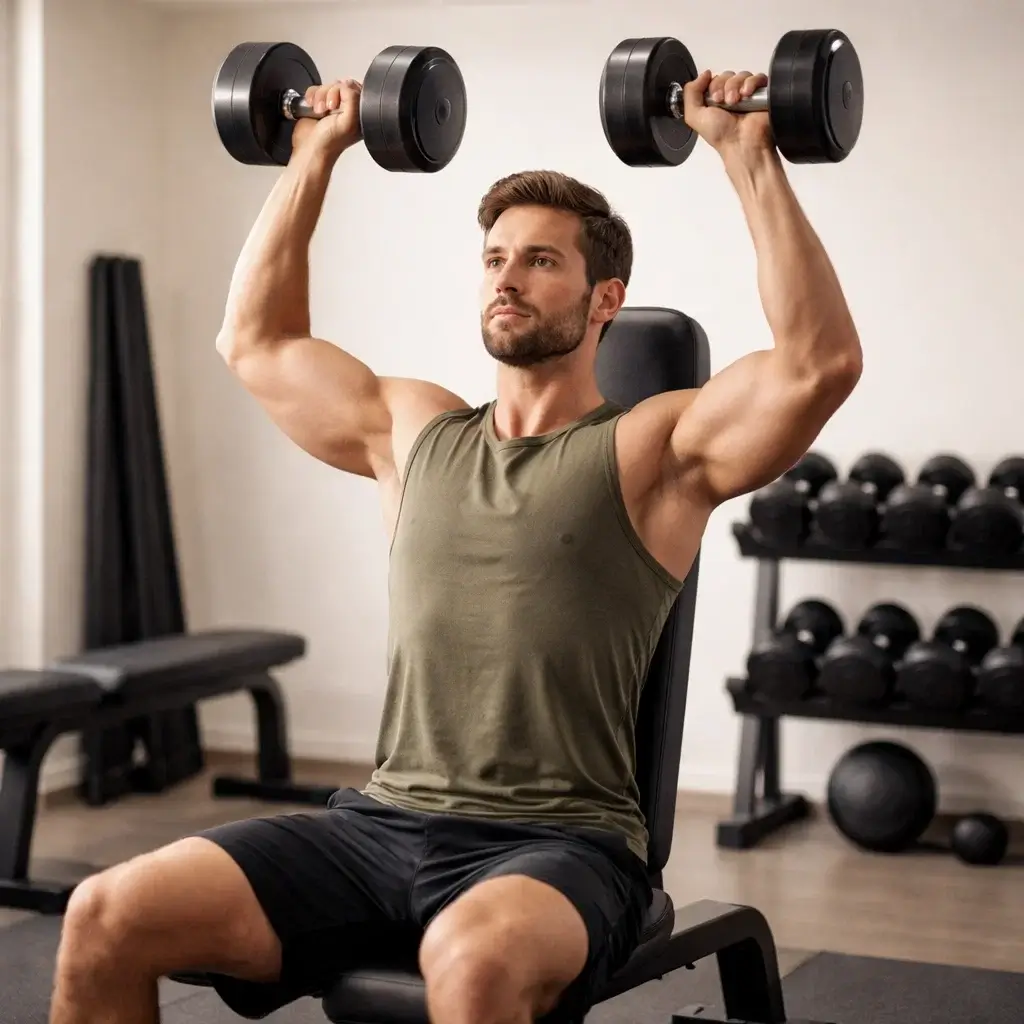
This exercise improves shoulder strength and upper body stability. Press the dumbbells upward until your arms are fully extended.
Keep your core engaged to support your lower back. Avoid arching your back while lifting. This movement also strengthens your arms and improves overhead mobility.
4. Dumbbell Chest Press
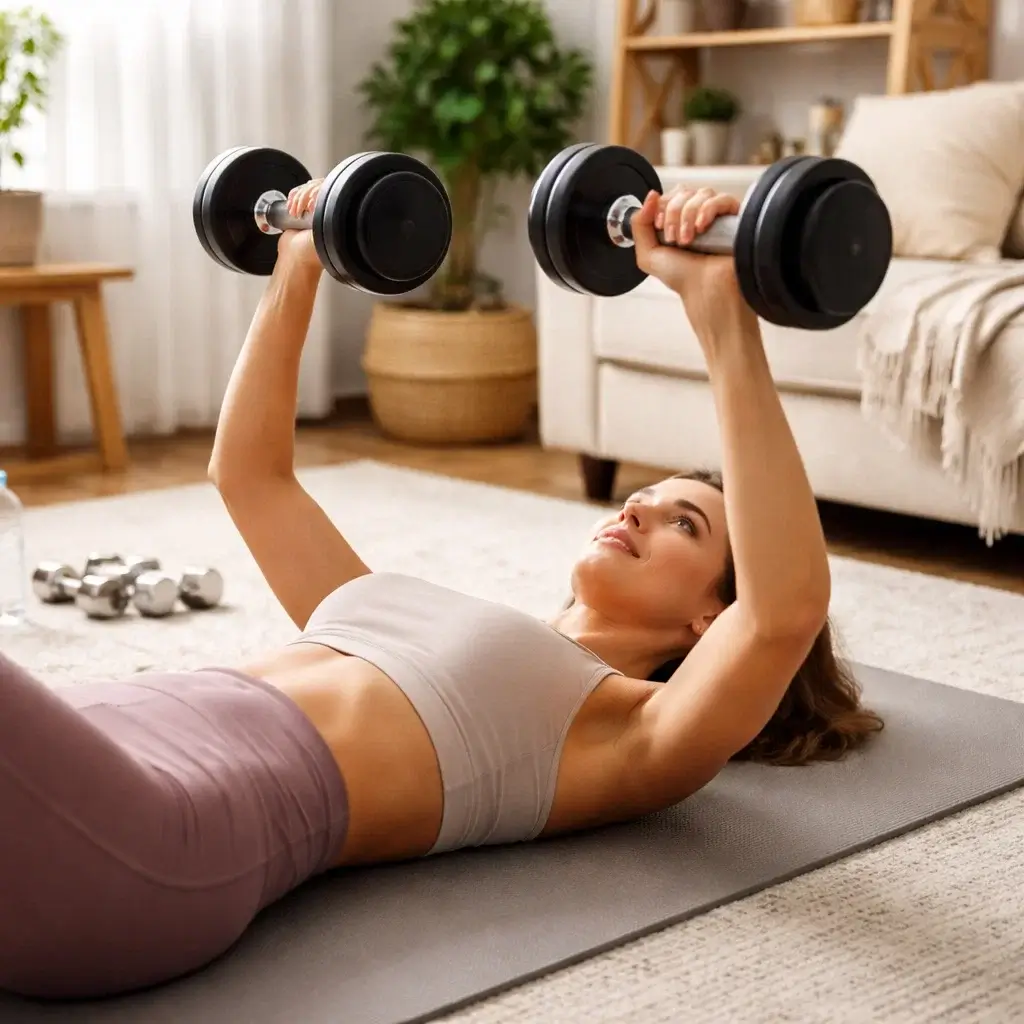
This exercise targets the chest, shoulders, and triceps. Lie on the floor and press the dumbbells upward in a controlled motion.
Keep your elbows slightly bent and avoid locking them at the top. Lower the weights slowly to maintain control. This helps improve upper body pushing strength.
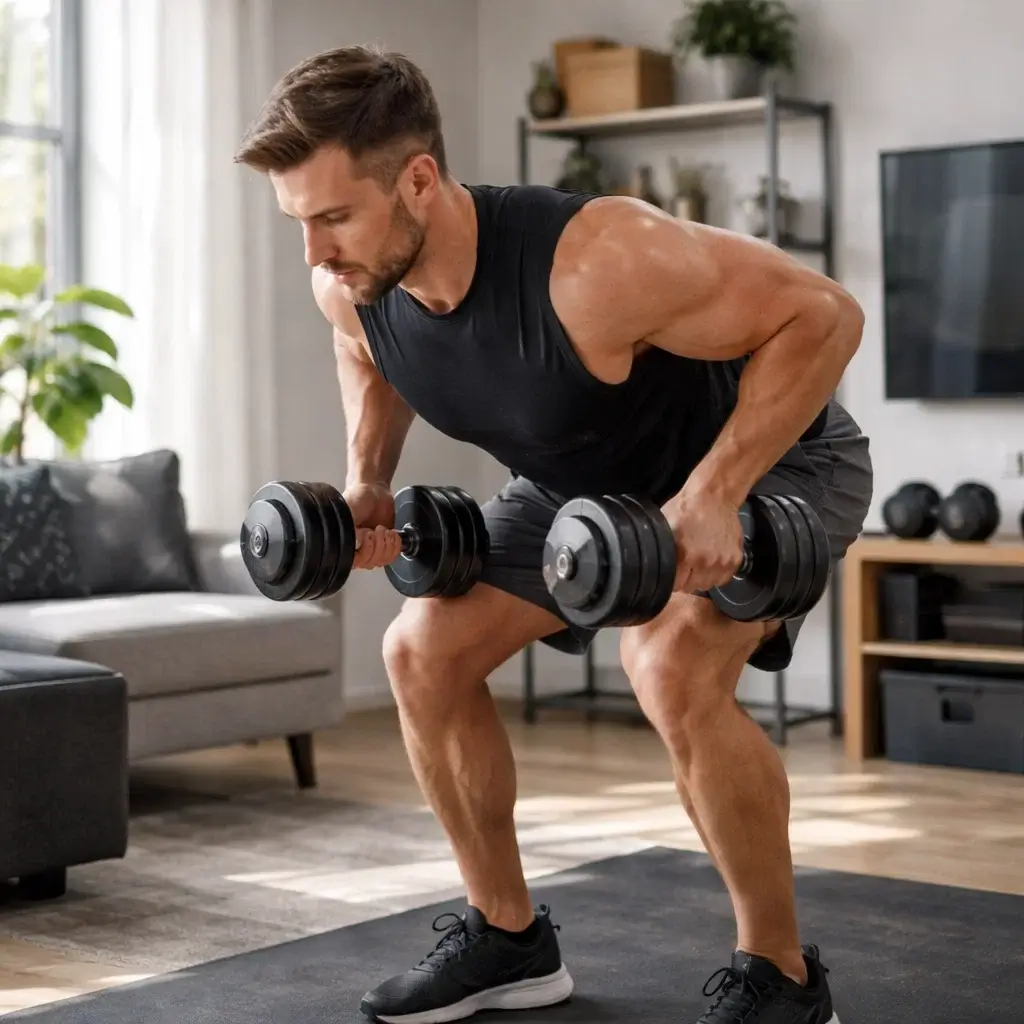
5. Dumbbell Bent-Over Row
This exercise strengthens the upper back and improves posture. Bend forward slightly and pull the dumbbells toward your waist.
Keep your back flat and your core tight during the movement. Focus on squeezing your shoulder blades together. This helps correct poor posture and builds back strength.
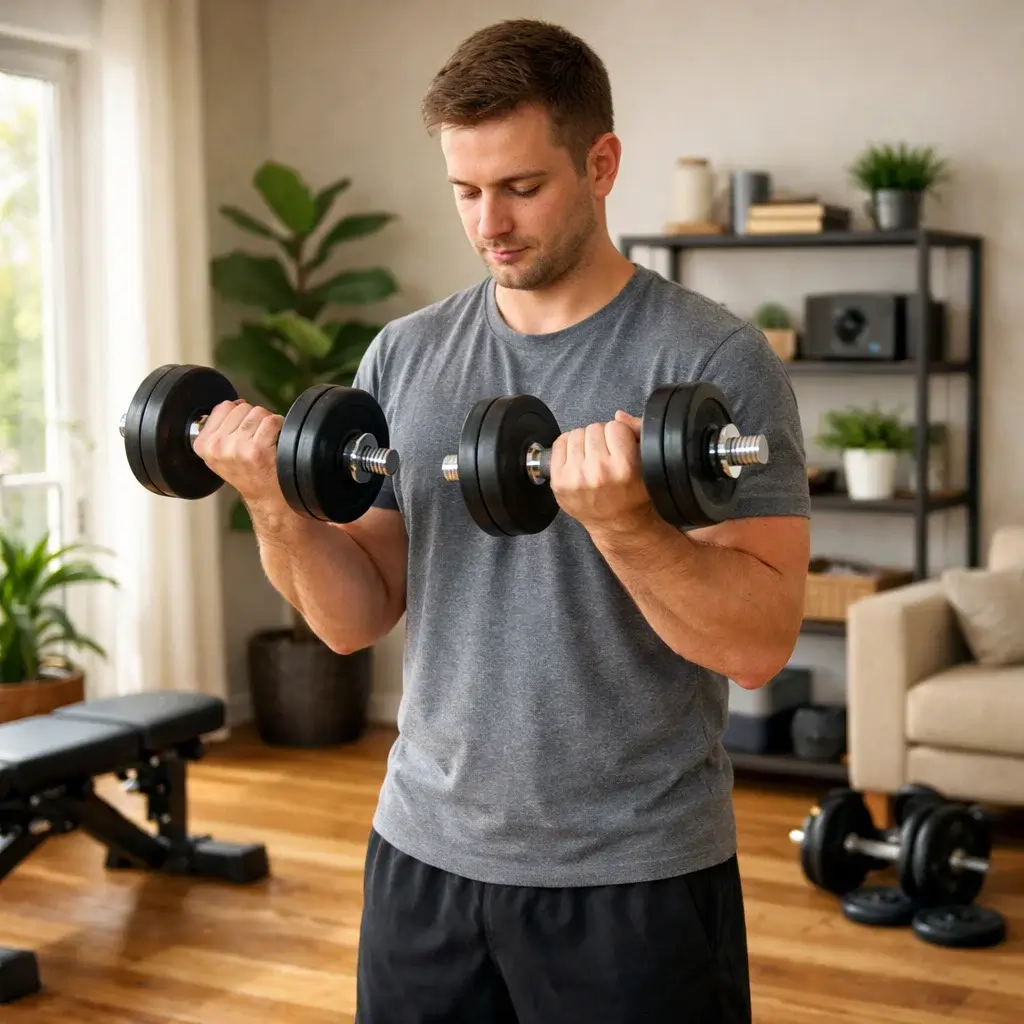
6. Dumbbell Bicep Curl
This exercise targets the biceps and improves arm strength. Curl the dumbbells upward while keeping your elbows close to your body.
Avoid swinging your arms or using momentum. Move slowly to fully engage the muscles. This helps build stronger and more defined arms over time.
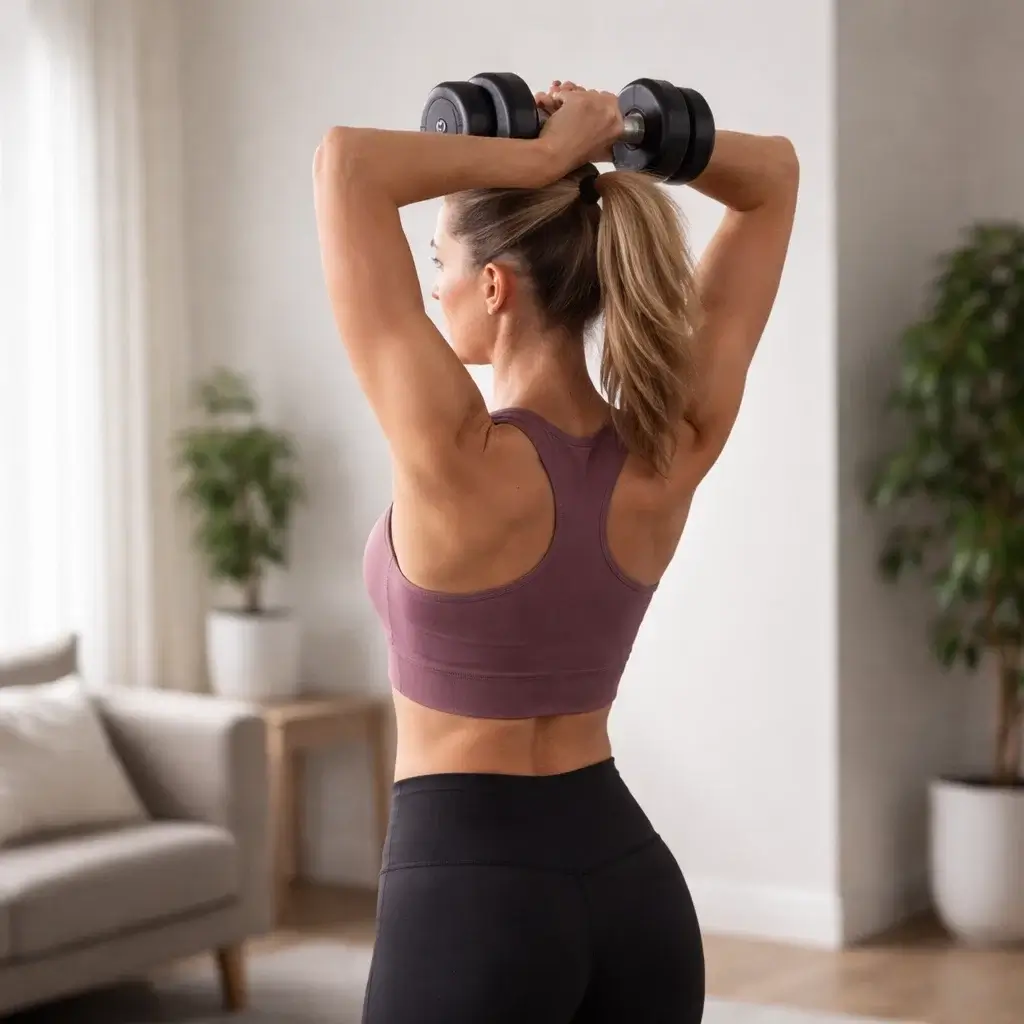
7. Dumbbell Tricep Extension
This exercise strengthens the triceps and improves arm stability. Hold a dumbbell overhead and lower it behind your head slowly.
Keep your elbows close together and avoid flaring them out. Control the movement both up and down. This improves arm strength and joint stability.
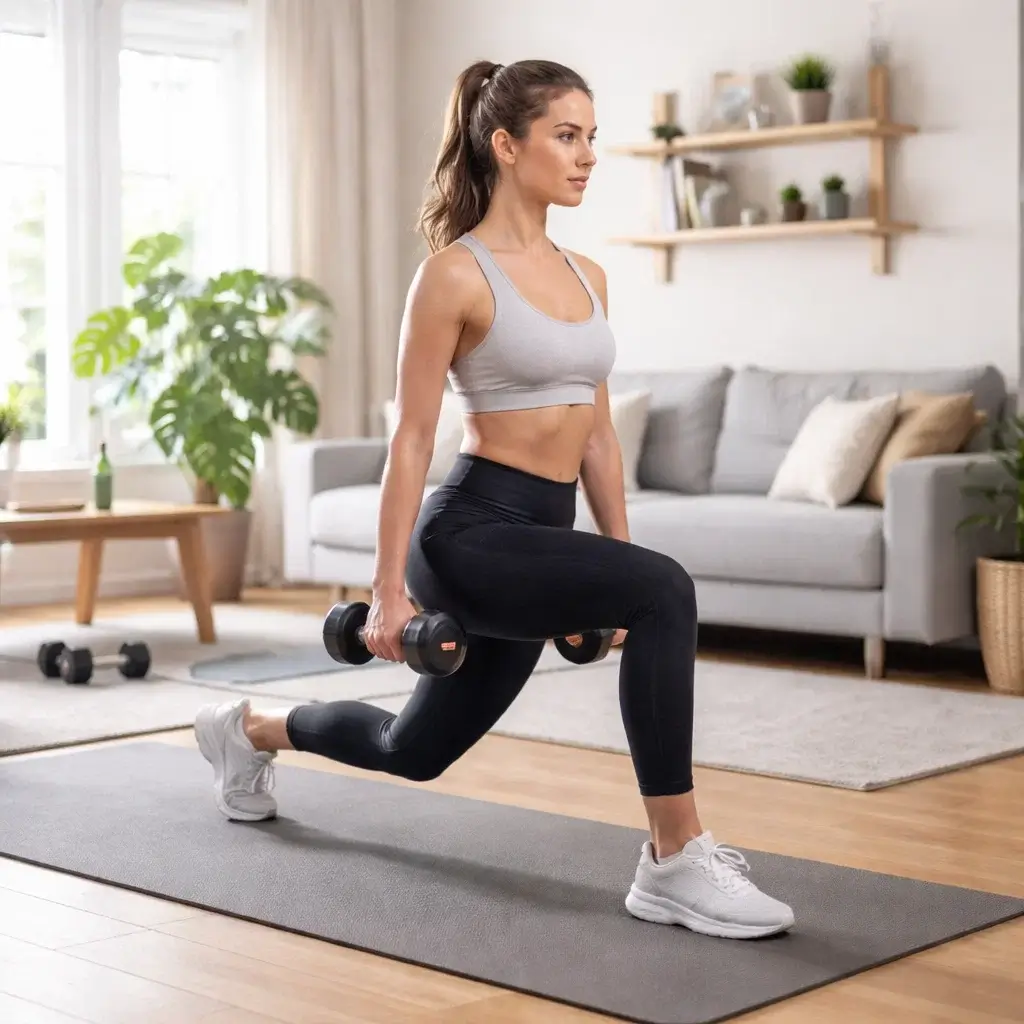
8. Dumbbell Forward Lunge
This exercise improves leg strength, balance, and coordination. Step forward with one leg and lower your body until both knees are bent.
Keep your upper body straight and your core engaged. Push back to the starting position with control. This movement strengthens the legs and improves stability.
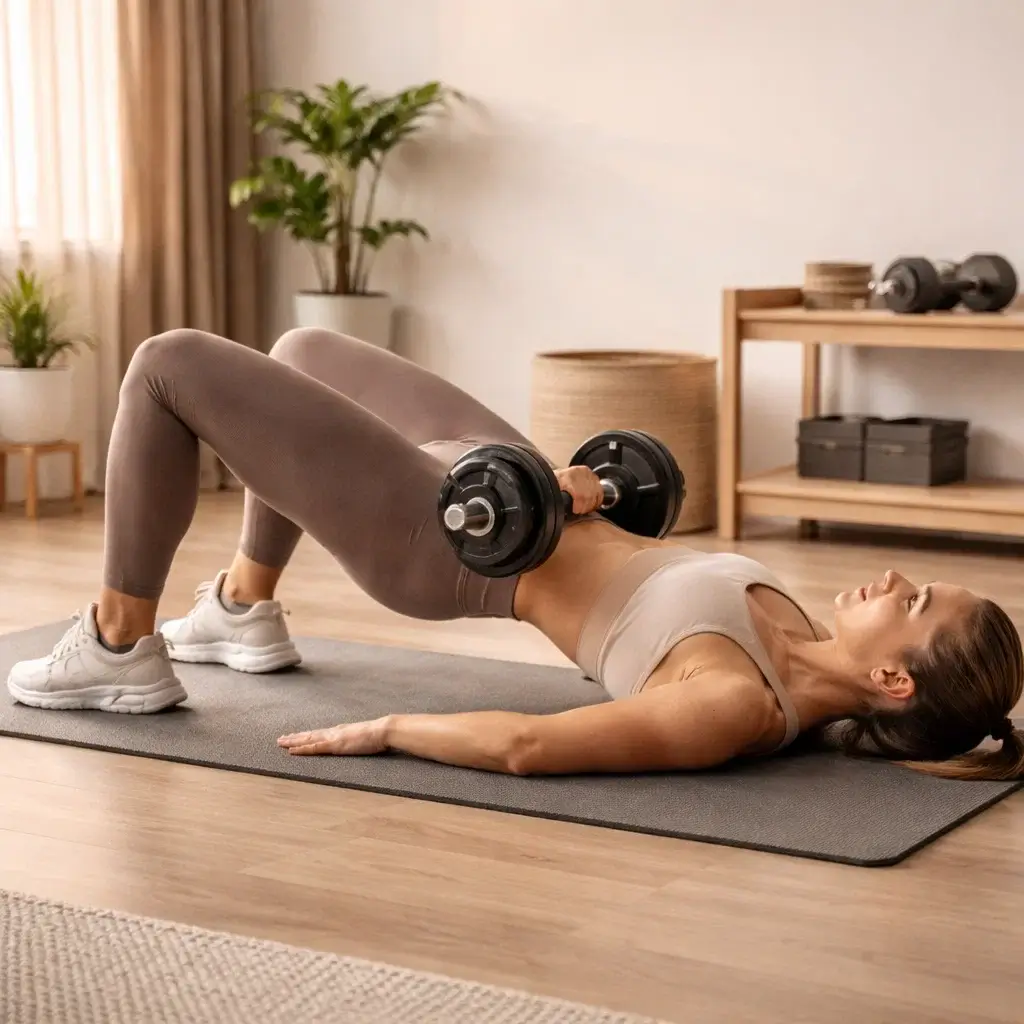
9. Dumbbell Glute Bridge
This exercise targets the glutes and strengthens the core. Place a dumbbell on your hips and lift your hips upward.
Squeeze your glutes at the top and hold for a second. Lower your hips slowly back down. This helps improve hip strength and posture.
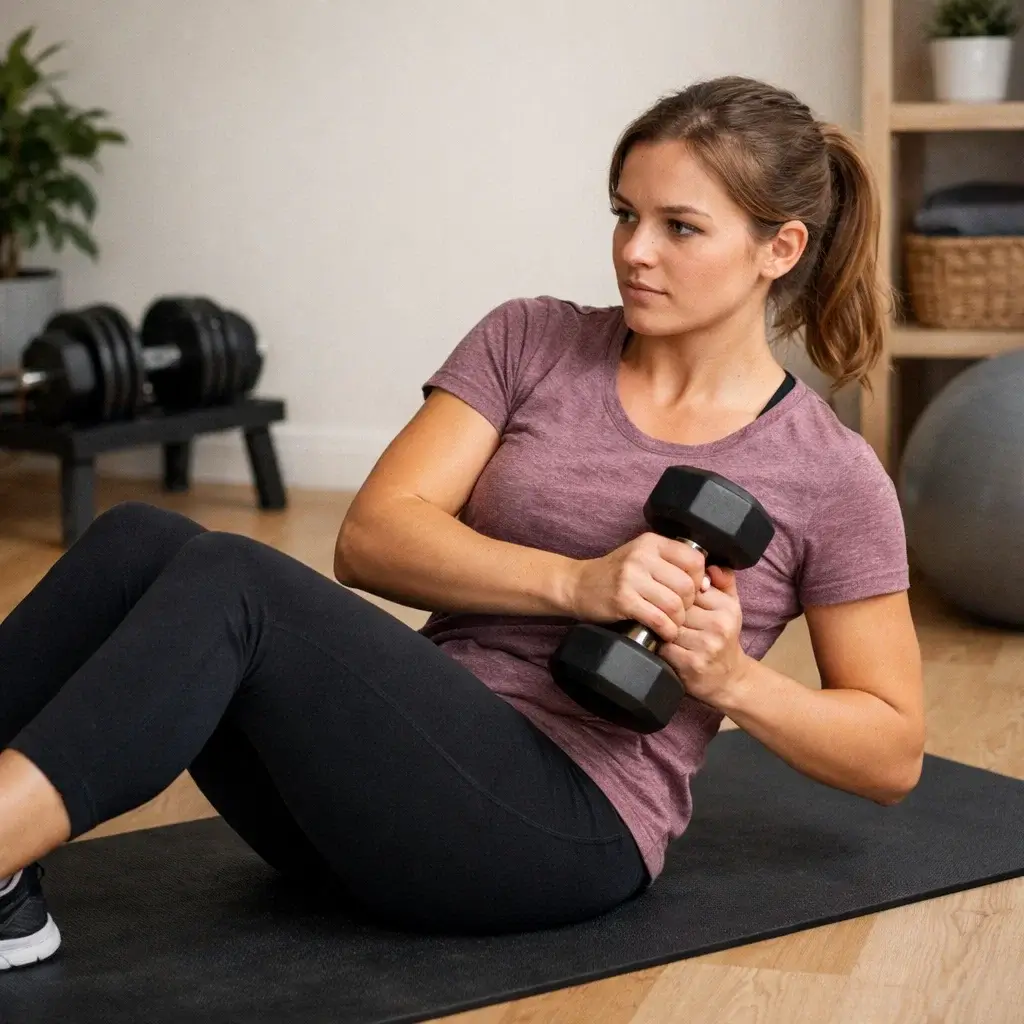
10. Dumbbell Russian Twist
This exercise strengthens the core and improves rotational stability. Sit slightly back and twist your torso side to side with a dumbbell.
Keep your movements slow and controlled for better results. Avoid rushing through the exercise. This helps build a strong and stable core.
Beginner Dumbbell Workout Plan
A beginner dumbbell workout plan helps build strength, improve consistency, and support full-body fitness at home. A simple and structured routine makes it easier to stay motivated and track progress over time.
Training your full body with balanced exercises ensures that all major muscle groups develop evenly. This approach also reduces the risk of muscle imbalance and improves overall stability.
Simple Weekly Routine
Beginners should train 2 to 3 times per week to build strength safely and effectively. This schedule allows enough time for muscle recovery, which is important for growth and injury prevention.
For example, you can follow a routine on Monday, Wednesday, and Friday. This spacing gives your body time to rest between sessions while maintaining consistency. Regular training helps improve strength, endurance, and overall fitness levels.
Sets and Repetitions
Beginners should perform 8 to 12 repetitions per exercise to build strength and control. This range is effective for improving muscle endurance while keeping workouts manageable.
Complete 2 to 3 sets for each movement depending on your fitness level. Take short rest breaks of 30 to 60 seconds between sets to recover. Controlled repetitions and proper form are more important than speed or heavy weights.
Common Mistakes to Avoid
Avoiding common mistakes helps beginners stay safe, improve results, and build strength correctly. Focusing on proper form, weight control, and recovery is essential for long-term progress.
Using Heavy Weights Too Soon
- Heavy weights increase the risk of injury, especially for beginners
- Starting with light dumbbells helps you learn proper form and control
- Gradual progression builds strength safely over time
Ignoring Proper Form
- Poor form reduces the effectiveness of each exercise
- Controlled and slow movements improve muscle engagement
- Maintaining correct posture prevents strain on joints and muscles
Skipping Rest Days
- Rest days are essential for muscle recovery and growth
- Overtraining can lead to fatigue, soreness, and injury
- A balanced routine improves long-term performance and consistency
Benefits of Dumbbell Exercises at Home
Dumbbell workouts improve strength, save time, and support overall fitness at home. They are simple, effective, and suitable for beginners who want to train without a gym.
Using dumbbells regularly helps build muscle, improve balance, and increase energy levels. Home workouts also give flexibility, allowing you to exercise anytime without travel.
Improves Strength and Fitness
Regular dumbbell training improves muscle strength, endurance, and overall body fitness. It helps activate multiple muscle groups, which leads to better coordination and stability.
It also supports better posture by strengthening the core and back muscles. Over time, you become stronger and more confident in daily activities like lifting, walking, and climbing stairs.
Supports Weight Management
Dumbbell exercises help burn calories and improve metabolism over time. Strength training increases muscle mass, which helps your body burn more calories even at rest.
When combined with a balanced diet, it supports long-term weight control. Consistent workouts also help reduce body fat and improve overall body composition.
Saves Time and Money
Home dumbbell workouts save both time and money compared to gym training. You do not need expensive memberships or travel time to stay fit.
Dumbbells are affordable, durable, and easy to store at home. This makes it easier to stay consistent and maintain a regular fitness routine.
Conclusion
The best dumbbell exercises for beginners help you build strength, improve balance, and stay consistent with home workouts. These exercises target all major muscle groups and are easy to follow, making them ideal for anyone starting their fitness journey.
By using light weights, focusing on proper form, and following a simple workout plan, beginners can train safely and see steady progress. Consistency and rest are key factors for long-term results and injury prevention.
Start with these exercises today and gradually improve your strength over time. A simple routine done regularly can lead to better fitness, more energy, and a healthier lifestyle.
Frequently Asked Questions
1. Can beginners do dumbbell exercises every day?
Beginners should not do dumbbell exercises every day because muscles need time to recover. Training 2 to 3 times per week allows proper recovery and reduces the risk of injury. Rest days help muscles grow stronger and improve overall performance over time.
2. What weight dumbbells should a beginner use?
Beginners should start with light dumbbells, usually between 2 to 5 kg. This helps maintain proper form and control during exercises. As strength improves, you can gradually increase the weight to continue making progress.
3. Are dumbbell workouts enough to build strength?
Yes, dumbbell workouts are enough to build strength when done correctly and consistently. They target all major muscle groups and improve balance and coordination. Using proper form and increasing resistance over time leads to effective results.
4. How long should a beginner dumbbell workout be?
A beginner dumbbell workout should last 20 to 30 minutes. This duration is enough to train the full body without causing fatigue. Short and consistent workouts are more effective than long, irregular sessions.
5. Do I need a gym for dumbbell workouts?
No, you do not need a gym to perform dumbbell exercises. Dumbbells allow you to train effectively at home with minimal space. Home workouts are convenient, affordable, and flexible for beginners.
6. How long does it take to see results with dumbbells?
Most beginners start seeing results within 4 to 6 weeks of consistent training. Strength, endurance, and muscle tone improve gradually. Consistency, proper diet, and rest play an important role in achieving results.